
Table of Contents
- Introduction: Why Mental Toughness Matters
- Defining Mental Toughness in Youth Sports
- Strategies Coaches Use at 12th Rock
- Growth Mindset: Turning Setbacks into Strengths
- Parent Support in Building Resilience
- Closing Thoughts
Introduction: Why Mental Toughness Matters
At 12th Rock, we know that talent and skill are only part of the equation. The ability to stay focused under pressure, bounce back from setbacks, and keep striving when challenges arise is what separates good athletes from great ones. This quality, mental toughness, is a cornerstone of our coaching philosophy across all sports, from volleyball to throws to archery.
Defining Mental Toughness in Youth Sports
Mental toughness is about resilience, focus, and perseverance. It’s the ability to keep pushing when the game is tied, to stay calm when the target feels far away, and to trust your training when fatigue sets in.
- In volleyball, mental toughness means shaking off a missed serve and staying locked in for the next rally.
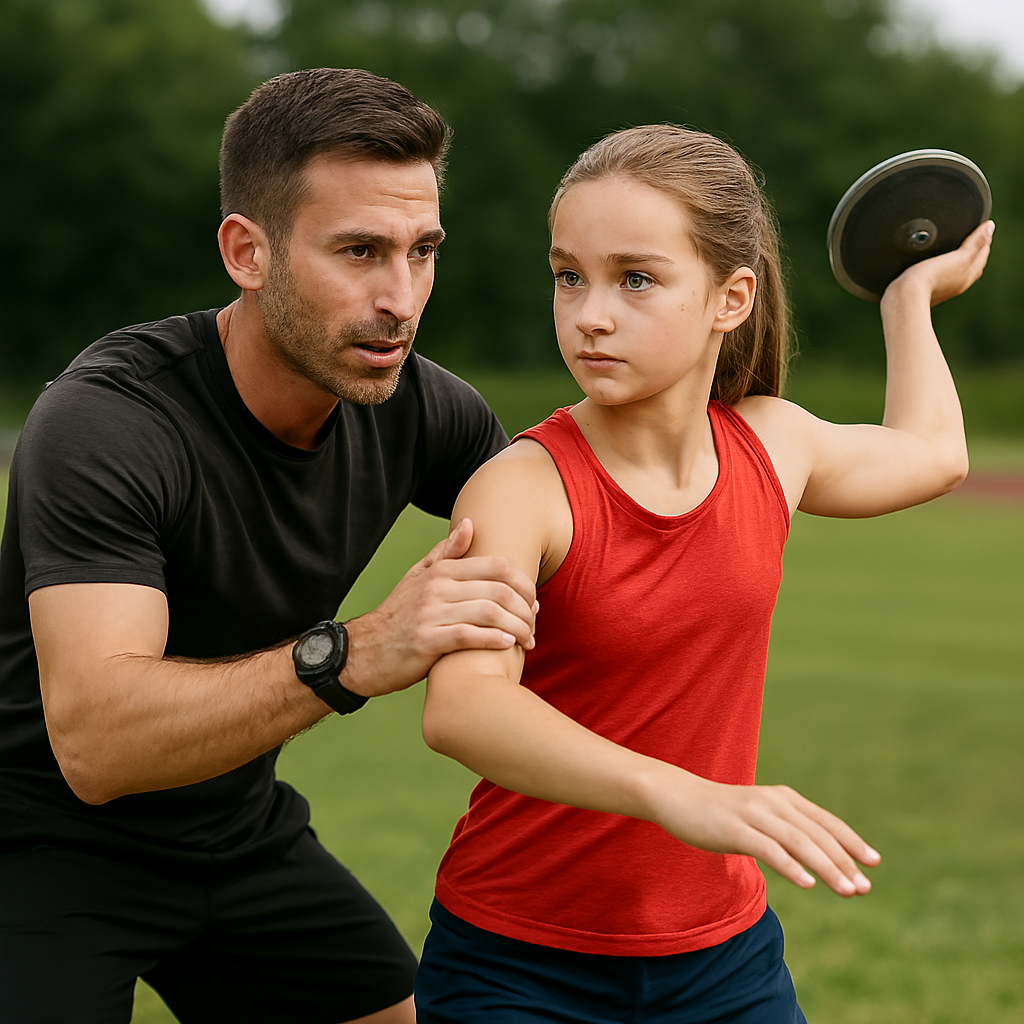
- In throws, it’s about maintaining composure when technique falters and trusting repetition to deliver results.
- In archery, it’s the discipline to block out distractions and focus on the target, even under pressure.
As Positive Psychology explains, mental toughness enables athletes to perform at their limits when the odds are stacked against them (https://positivepsychology.com/mental-toughness-for-young-athletes/).
Strategies Coaches Use at 12th Rock
Our coaches integrate proven techniques to help athletes strengthen their mental game:
- Goal Setting: Volleyball athletes set goals like improving serve accuracy or communication on the court. Throwers focus on technique milestones. Archers aim for consistent groupings. Clear goals give athletes direction and motivation.
- Positive Self-Talk: Volleyball players replace “I can’t block that” with “I’ll adjust my timing.” Throwers remind themselves “I’ve trained for this lift.” Archers use affirmations like “steady and strong.” This builds confidence across sports.
- Stress Management: Breathing exercises and visualization are taught across camps. Volleyball athletes visualize successful rallies, throwers picture smooth releases, and archers rehearse hitting the bullseye. These techniques help athletes stay calm under pressure.
- Challenge Exposure: Coaches create controlled high‑stakes drills: volleyball scrimmages with score deficits, throws competitions with limited attempts, and archery rounds under time constraints. These experiences teach athletes to thrive in pressure situations.
Dr. Paul McCarthy, a sport psychologist, emphasizes that coaches play a critical role in guiding athletes through these strategies step by step. Read the full blog here: https://www.drpaulmccarthy.com/post/how-to-build-mental-toughness-in-young-athletes-a-pro-coach-s-step-by-step-guide
Growth Mindset: Turning Setbacks into Strengths
Mistakes are inevitable in sports. What matters is how athletes respond. At 12th Rock, we encourage a growth mindset, the belief that abilities can be developed through effort and learning.
- Volleyball players learn that a missed serve is a chance to refine technique.
- Throwers see fouled attempts as opportunities to adjust footwork.
- Archers treat off‑target shots as feedback, not failure.
This mindset helps athletes embrace challenges, learn from failures, and keep improving. Coaching experts highlight that fostering a growth mindset reduces fear of failure and builds resilience.
Parent Support in Building Resilience
Parents play a vital role in reinforcing mental toughness:
- Celebrate effort, not just outcomes, whether it’s a volleyball rally, a discus throw, or an archery round.
- Encourage athletes to reflect on what they learned after setbacks.
- Model resilience at home by showing calm responses to challenges.
- Prioritize prevention basics: balanced training, proper warm‑ups, rest days, and listening to pain signals.
The CDC Heads Up program advises coaches and parents to recognize and respond promptly to head impacts, reinforcing resilience and safety, read more here: https://www.cdc.gov/heads-up/media/pdfs/youthsports/coaches_engl.pdf
The Hospital for Special Surgery (HSS) highlights that age‑appropriate strength and conditioning lowers injury risk and improves performance, read more here: https://www.hss.edu/health-library/conditions-and-treatments/list/youth-sports?utm_source=2022?pageid=
Closing Thoughts
Mental toughness is the invisible skill that powers every visible achievement. At 12th Rock, we believe resilience, focus, and confidence are just as important as physical training. Whether it’s the teamwork of volleyball, the discipline of throws, or the focus of archery, our coaches help athletes grow stronger both on and off the field. Call 845‑692‑9092 or visit https://12throck.org/camps/ to learn more about our programs and how we build champions through character.