
Table of Contents
- Introduction: Speed is more than running fast
- Warm‑up matters: preparing the body and mind
- Sprint mechanics: simple drills for young athletes
- Parent’s role: monitoring fatigue and recovery
- Cooldown and reflection: Building habits beyond the track
- Closing: Speed built safely lasts a lifetime
Introduction: Speed is more than running fast
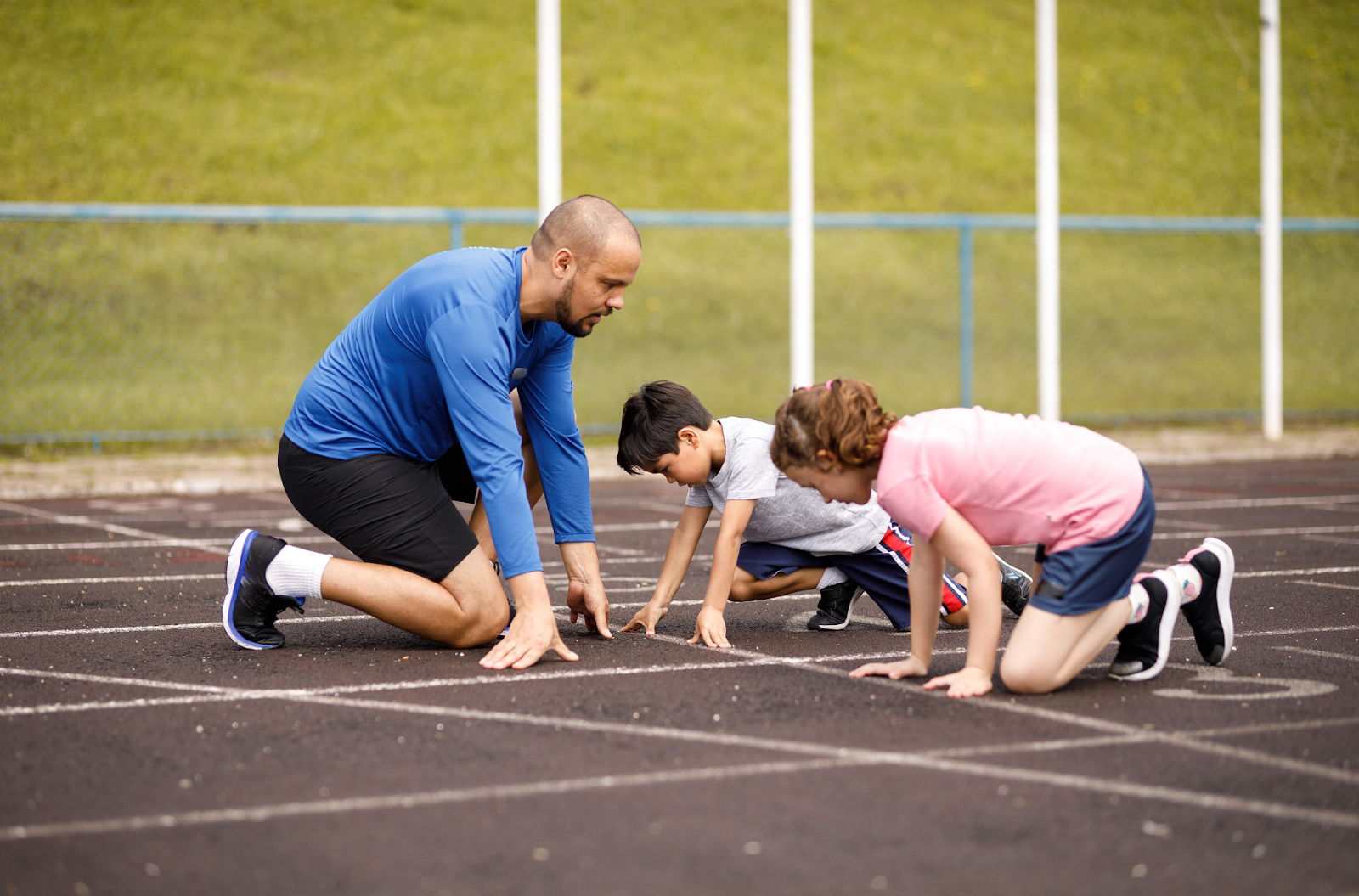
For young athletes, sprinting is often the most exciting part of track and field. But speed isn’t just about running as fast as possible, it’s about learning proper mechanics, building confidence, and staying safe. Sprint training at a young age should emphasize form, fun, and fundamentals rather than maximum effort. Parents play a crucial role in ensuring kids approach speed development with balance, patience, and encouragement.
Warm‑up matters: Preparing the body and mind
A proper warm‑up sets the tone for safe and effective sprinting. It primes muscles, reduces injury risk, and helps athletes mentally transition into training.
- Dynamic stretches: High knees, butt kicks, and leg swings loosen muscles while mimicking sprint movements.
- Activation drills: Skips, bounding, or short accelerations wake up fast‑twitch fibers.
- Mental prep: Breathing exercises or visualization (imagining a strong sprint start) help kids focus.
Parents can support by ensuring kids arrive hydrated, with enough time to warm up, and by reinforcing the importance of preparation rather than rushing straight into sprints.
Sprint mechanics: simple drills for young athletes
Youth athletes benefit most from drills that emphasize technique over speed. These drills teach body awareness and efficiency:
- A‑Skips: Build rhythm, coordination, and knee drive. Kids learn to lift knees while staying tall.
- Wall Drives: With hands against a wall, athletes practice driving knees forward while maintaining posture. This reinforces sprint angles.
- Acceleration Sprints: Short 10–20 meter sprints focusing on explosive starts, not top speed.
These drills are short, safe, and repeatable. They help kids learn how to move like sprinters without overloading their bodies. Parents can encourage consistency, a few quality reps are better than many sloppy ones.
Parent’s role: Monitoring fatigue and recovery
Parents are the “hidden coaches” in sprint development. While coaches teach drills, parents ensure athletes recover properly and avoid burnout.
- Watch for fatigue: Sloppy form, heavy breathing, or complaints of pain are signs to stop.
- Encourage rest days: Sprinting stresses muscles and joints; recovery is essential for growth.
- Nutrition and hydration: Balanced meals with carbs for energy and protein for repair, plus plenty of water.
- Sleep: 8–10 hours per night helps young athletes recover and grow stronger.
By monitoring these factors, parents protect their child’s health while reinforcing discipline and balance.
Cooldown and reflection: building habits beyond the track
Cooldowns are often overlooked, but they’re vital for recovery. A proper cooldown reduces soreness and helps athletes transition out of training.
- Light jog or walk: 3–5 minutes to gradually lower heart rate.
- Static stretches: Hamstrings, quads, calves, and hips to release tension.
Reflection adds a mental layer to training. Encourage kids to write down:
- One sprint that felt strong.
- One area to improve.
- One goal for next time.
This builds self‑coaching skills and helps athletes see progress over time. Parents can make reflection a fun routine, even a quick conversation in the car ride home can reinforce learning.
Closing: Speed built safely lasts a lifetime
Sprinting is thrilling, but the real goal is building speed safely. With warm‑ups, proper mechanics, recovery, and reflection, kids develop not only faster times but stronger bodies and resilient minds. Parents who support this process help create athletes who love the sport, stay healthy, and carry discipline into every area of life.Explore 12th Rock’s programs to anchor these lessons in your season. Call 845‑692‑9092 or visit https://12throck.org/track to put your playbook into motion.