
Table of Contents
- Introduction
- Why Form Matters More Than Weight
- Bodyweight Strength Training Fundamentals
- Core Stability for All Sports
- Recovery Days Explained
- Final Thoughts
Introduction
Building strength is essential for young athletes, but doing it the wrong way can lead to fatigue, injury, and burnout. Many athletes focus too much on lifting heavier weights instead of developing proper technique and a strong foundation.
According to the National Strength and Conditioning Association, youth training programs should prioritize movement quality, controlled progressions, and overall athletic development rather than maximum load.
This month’s focus is simple: build strength the right way, without burning out.
Why Form Matters More Than Weight
One of the biggest mistakes young athletes make is chasing heavier weights too soon. While it may feel like progress, poor form increases the risk of injury and limits long-term development.
Research supported by the American Academy of Pediatrics emphasizes that proper technique and supervision are critical in youth strength training to prevent injuries and ensure safe progression.
When form is correct:
- Muscles are activated properly
- Movements become more efficient
- Injury risk is significantly reduced
A controlled squat or push-up with correct form builds more strength than a heavier, poorly executed version.
Tip: If technique breaks down, reduce the weight and reset.
Bodyweight Strength Training Fundamentals
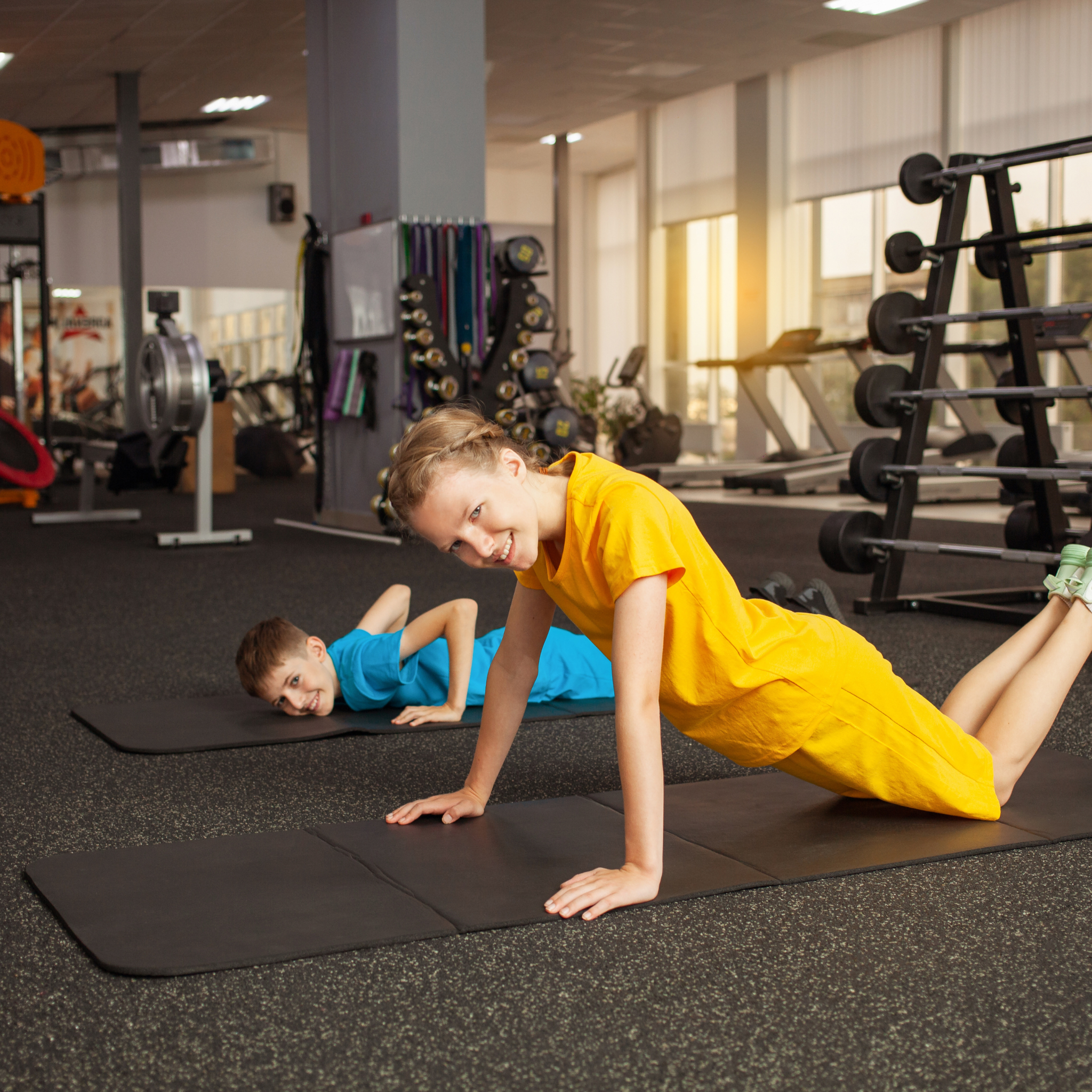
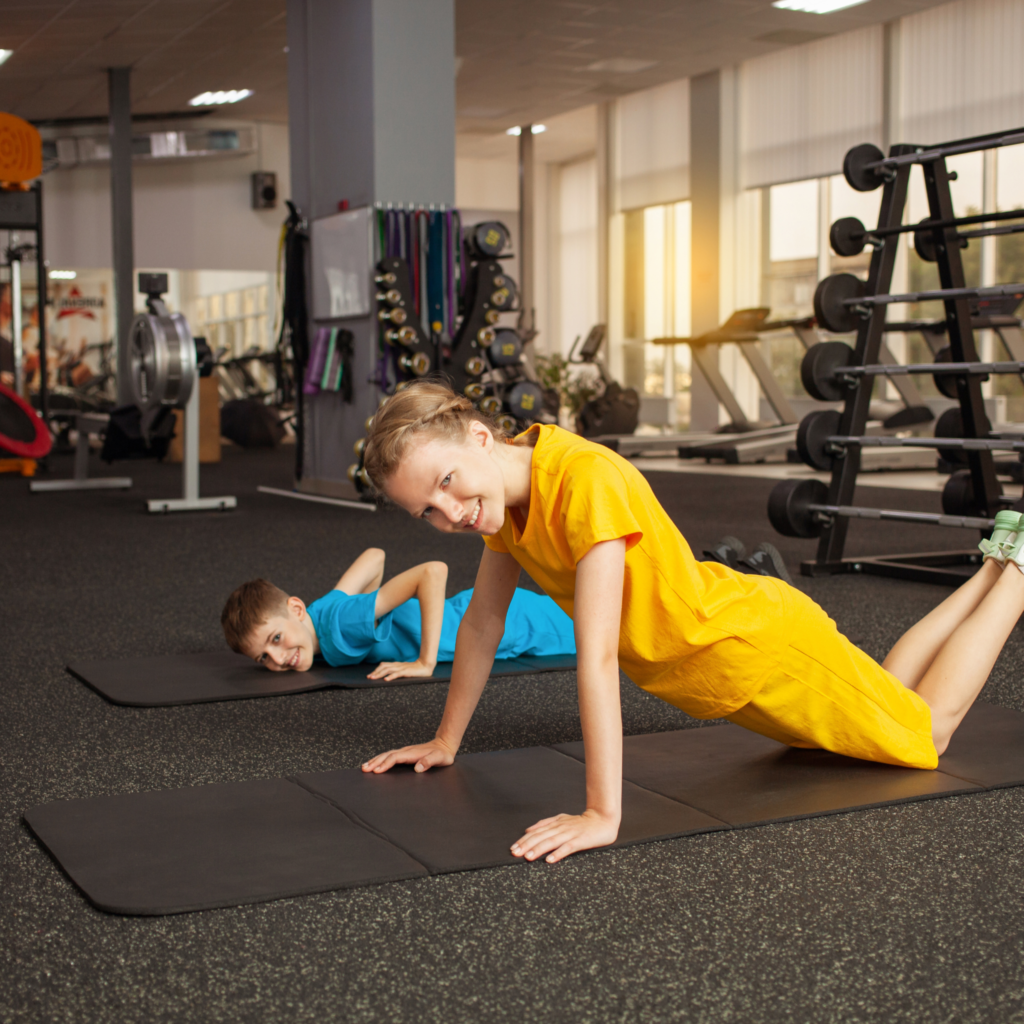
Before introducing external weights, young athletes should master bodyweight movements. These exercises develop coordination, stability, and functional strength.
The Mayo Clinic highlights bodyweight exercises as an effective and safe starting point for building strength, especially in younger populations.
Key movements to focus on:
- Squats
- Push-ups
- Lunges
- Planks
- Pull-ups or assisted pull-ups
These foundational exercises mimic real sports movements such as jumping, sprinting, and directional changes. Mastering them creates a solid base for future strength training.
Core Stability for All Sports
Core strength is essential for nearly every athletic movement. It supports balance, power transfer, and injury prevention.
According to the Cleveland Clinic, core stability plays a key role in posture, coordination, and reducing strain on the spine during physical activity.
A strong core improves:
- Balance and control
- Athletic performance
- Movement efficiency
Effective core exercises include:
- Planks
- Dead bugs
- Bird dogs
- Rotational movements
Even short, consistent core sessions can significantly improve performance across all sports.
Recovery Days Explained
Recovery is often overlooked, but it is one of the most important parts of training. Strength is built during recovery, not just during workouts.
The Centers for Disease Control and Prevention recommends regular rest and recovery for young athletes to support growth, prevent overuse injuries, and maintain overall health.
Without proper recovery, athletes may experience:
- Fatigue
- Decreased performance
- Increased injury risk
Recovery includes:
- Rest days
- Light activity or mobility work
- Proper hydration and nutrition
- Quality sleep
Taking time to recover is not a setback. It is part of getting stronger.
Final Thoughts
Strength training for young athletes should focus on long-term development, not short-term gains. By prioritizing proper form, mastering bodyweight movements, building core stability, and allowing time for recovery, athletes can grow stronger safely and effectively.
The goal is not just strength, but sustainable performance and injury-free progress. Ready to Train Smarter? At 12th Rock, we help young athletes develop strength, confidence, and discipline through structured, safe, and effective training programs. Learn more :https://12throck.org/